 Download catalog
 Technical support
 Check your order
 Tiếng Việt
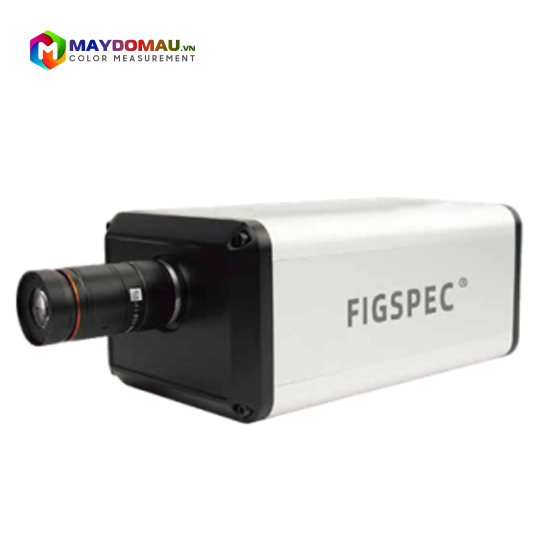
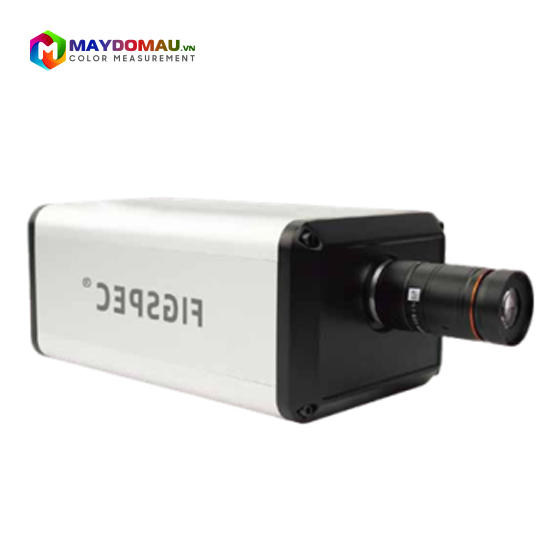
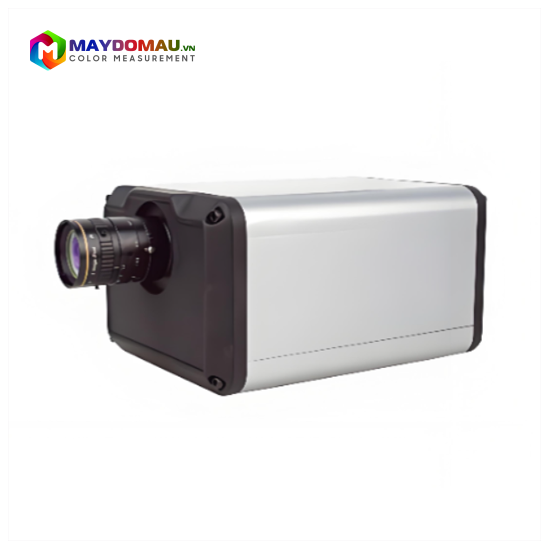
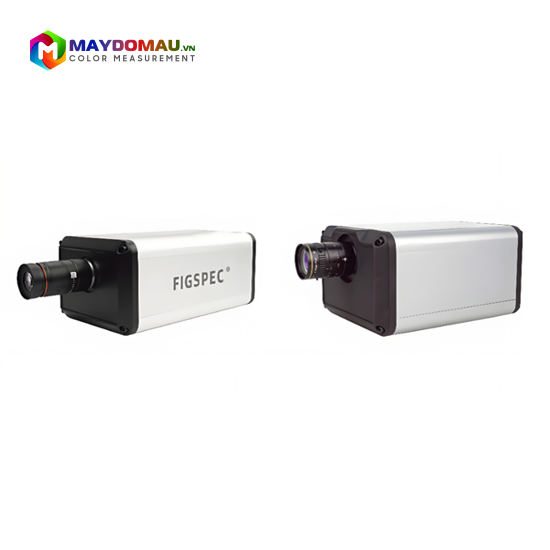
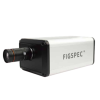
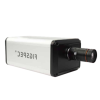
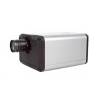
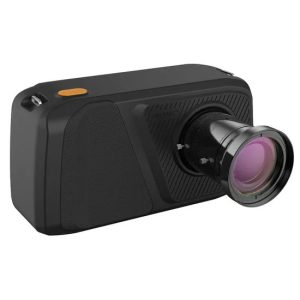
CHN SPEC FS-23 Hyperspectral Camera (400~1000nm, 1920×1920)
Contact
SKU: FS-23
Origin: China




Product Details
CHN SPEC FS-23 Hyperspectral Camera (400~1000nm, 1920×1920)
The CHN SPEC FS-23 Hyperspectral Camera (VNIR Hyperspectral Camera) is a breakthrough optical analysis tool for laboratories and industrial Machine Vision systems. Focusing on the 400 – 1000 nm wavelength band, this device captures the “spectral fingerprint” of material surfaces in the most detailed way. The highlight that forms the core value of the FS-23 is its spatial resolution of up to 1920 × 1920 pixels, helping the device “capture” micro-details and incredibly small defects on products that previous technologies could not see.
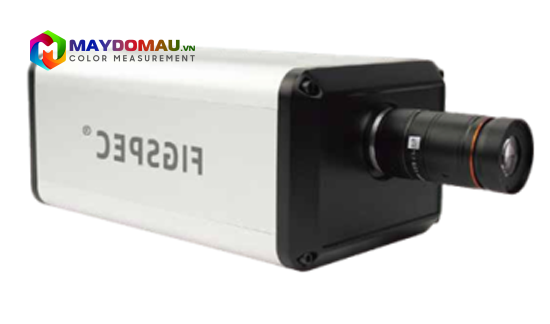
Technical Specifications:
Spectral method: Grating
Image resolution: 1920×1920
Dynamic range: 12-bit
Capture speed: ≤5 seconds
Number of spectral channels: 1200
Spectral range: 400–1000nm
Spectral resolution (FWHM): 2.5nm
Slit width: 25um
Transmission efficiency: 60%
Stray light level: 0.5%
Pixel size: 5.86um × 5.86um
Sensor type: CMOS
Sensor surface size: 11.3*7.1mm
Standard focal length: 25mm
Minimum working distance: 100 mm ~ ∞
Field of view (FOV): 25°
Minimum exposure time: 21us
Maximum exposure time: 10 seconds
Signal-to-noise ratio (SNR): 600/1
Data interface: USB3.0
Camera lens mount: C-Mount
Accessories: USB 3.0 cable
Capture features: ROI function available, supports multiple ROI regions
Image support features: Camera supports framing for tracking the capture area
Power supply mode: Built-in battery
Dimensions: 25.5cm × 13.8cm × 10.7cm
Weight: Under 2.8KG
Power consumption: 50W
Outstanding Features
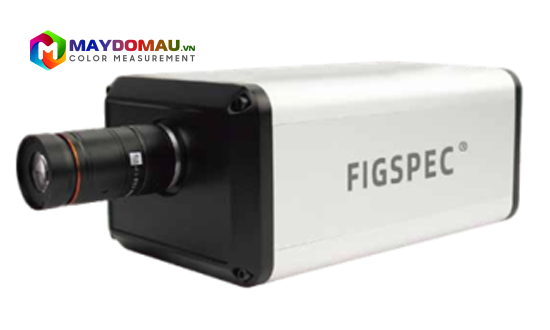
- Ultra-sharp spatial resolution (1920 × 1920): A powerful sensor upgrade allows the FS-23 to provide images with outstanding sharpness. With an image size of 1920 × 1920, each micro pixel on the surface contains a continuous spectral graph. This is particularly useful when analyzing or inspecting sophisticated electronic components, biological structures, or searching for ultra-small impurities.
- Optimal VNIR wavelength band (400 – 1000 nm): This spectral band covers all visible light (color) and extends into the Near-Infrared spectrum. This waveband is ideal for evaluating color differences, analyzing core biological indices (like chlorophyll, plant cells), and detecting physical defects on surfaces.
- Comprehensive data block collection (Hypercube): When scanning across a sample, the camera generates a massive 3-dimensional data block (Hypercube) comprising 2 spatial dimensions (X, Y) and 1 spectral dimension (λ). From this data cube, users can extract the spectrum of any small point on the image for in-depth qualitative and quantitative analysis.
- Industrial performance (Machine Vision Ready): The FS-23 is designed with high-speed data transmission protocols, allowing for continuous, real-time spectral scanning and analysis. The device can be smoothly integrated into automated conveyor belts to sort products or reject defective goods without slowing down the production pace.
- AI analysis software compatibility: Hyperspectral data from the FS-23 is easily combined with Machine Learning algorithms and Principal Component Analysis (PCA) to automate the material identification and sorting processes based on trained models.
Practical Applications
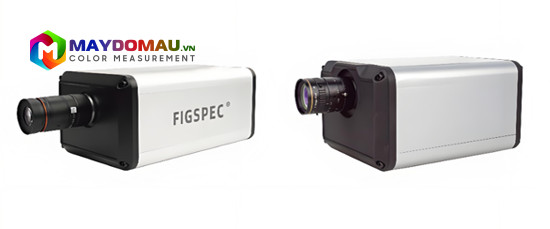
With excellent resolution and the VNIR waveband, the CHN SPEC FS-23 is the core of Non-Destructive Testing (NDT) systems in the following fields:
- Agriculture & Biological Research (Phenotyping): Analyzing plant morphology and health at the micro-level, early detection of diseases, mold, or leaf stress with detail down to the leaf veins.
- Food & Agricultural Product Sorting: Quality control of grains, seeds, and fruits on conveyor belts; automatically detecting surface defects, bruises, impurities, or evaluating ripeness levels through spectral color.
- Printing, Textiles & Coatings Industry: Inspecting color uniformity at the strictest levels; detecting metamerism (colors that match under one light source but differ under another), inspecting fabric yarn defects or chemical coating layers.
- Biomedical & Forensics: Analyzing biological tissue samples under a microscope without the need for dyes; verifying the authenticity of documents, signatures, printing ink, and microscopic traces at crime scenes.
Reviews (0)
No comments yet
Related products
- SKU: FS-19M
- Origin: China
- SKU: FS-500
- Origin: China
- SKU: FS-620
- Origin: China
- SKU: FS-19S
- Origin: China
- SKU: FS-19X
- Origin: China
- SKU: FS-IQ-SWIR
- Origin: China
Bạn vui lòng nhập đúng số điện thoại để chúng tôi sẽ gọi xác nhận đơn hàng trước khi giao hàng. Xin cảm ơn!
Show reviews in all languages (4)
There are no reviews yet.