 Download catalog
 Technical support
 Check your order
 Tiếng Việt
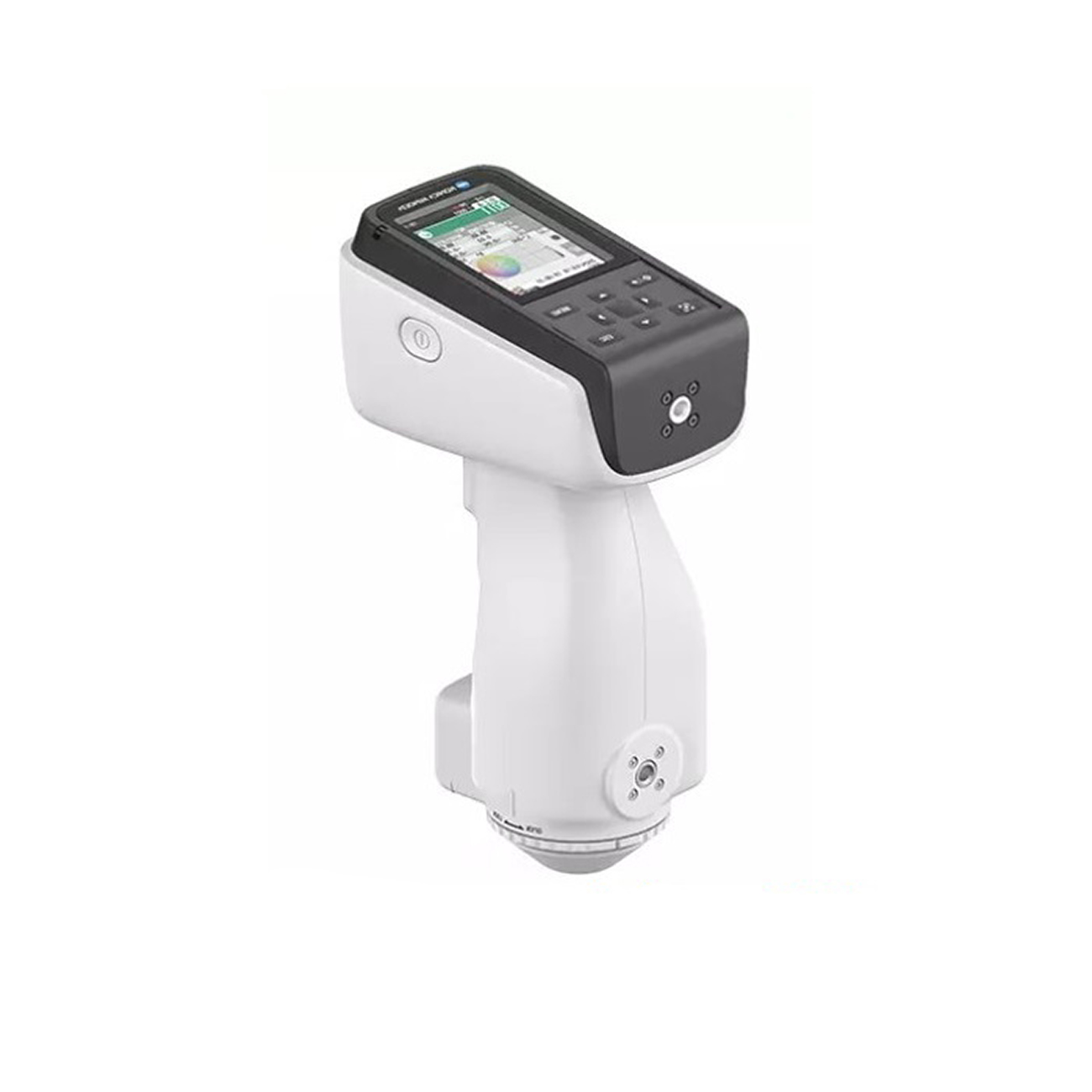
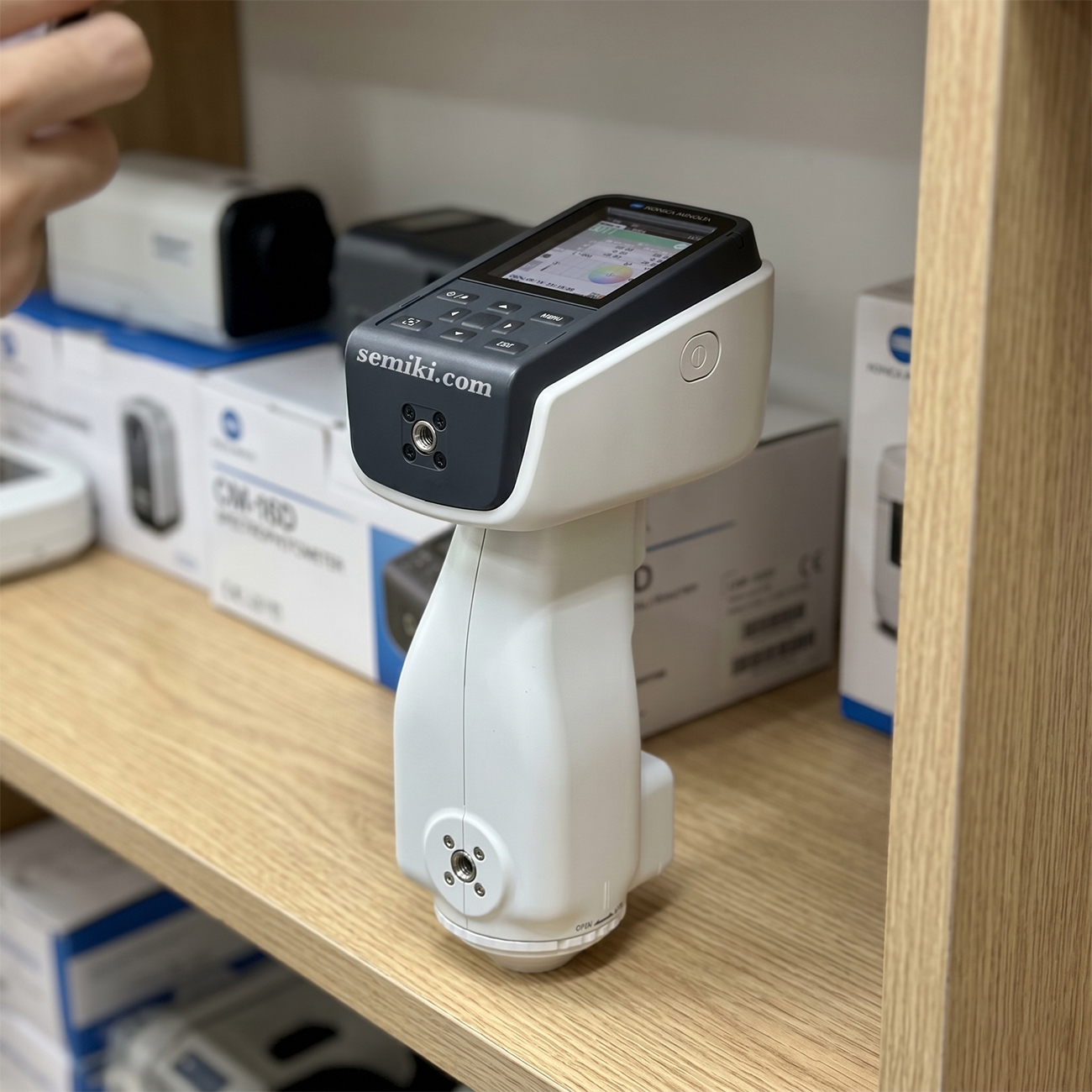
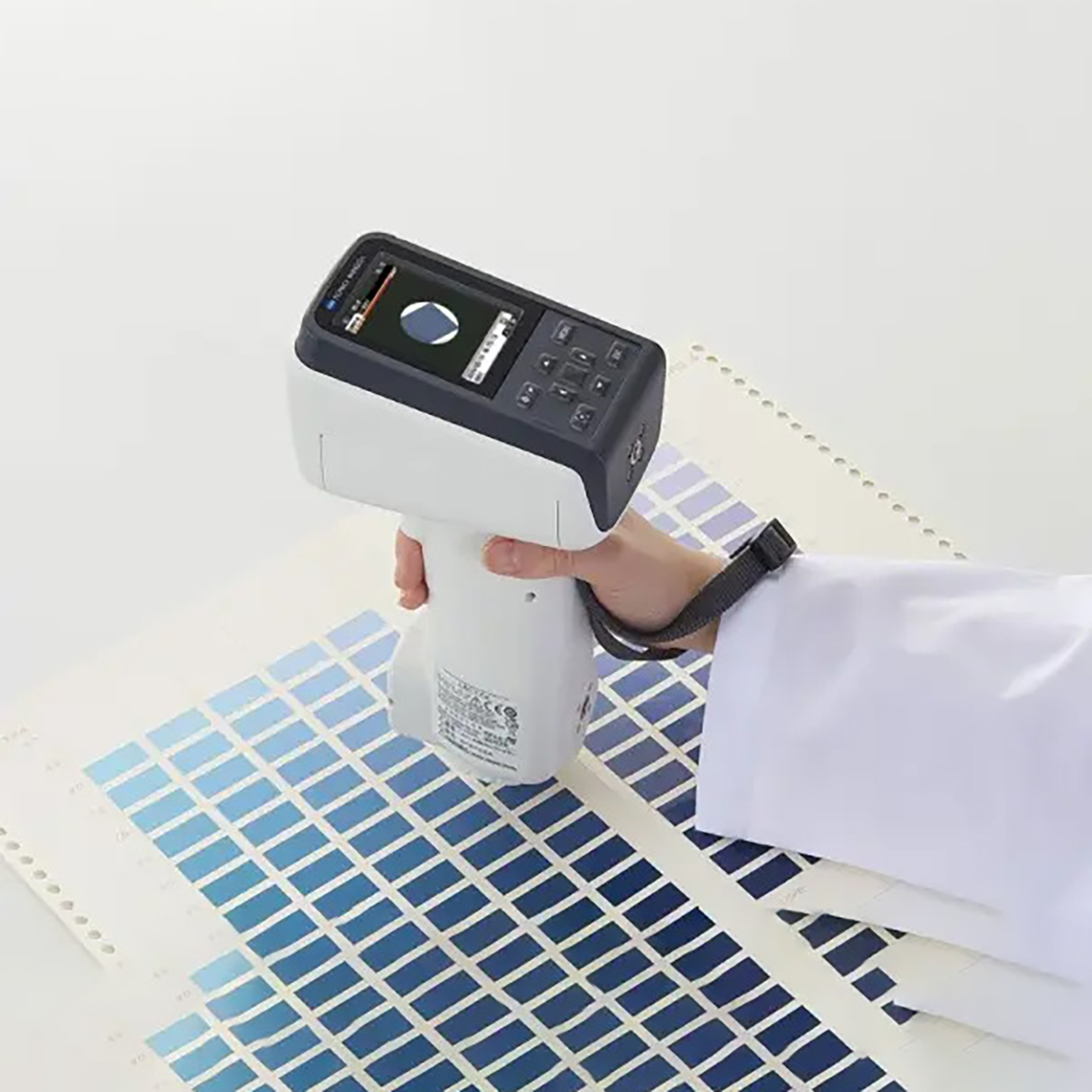
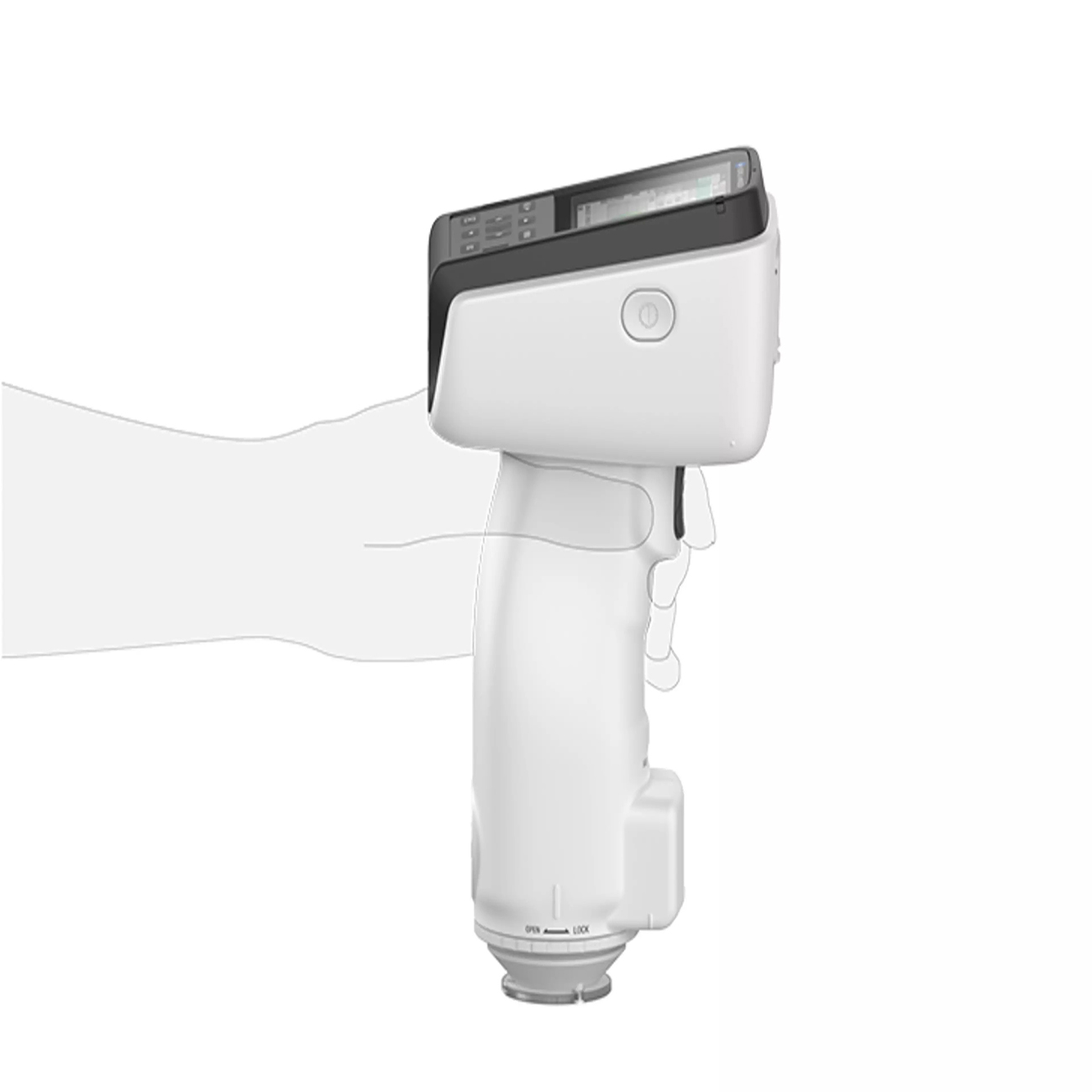
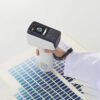
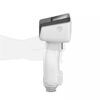
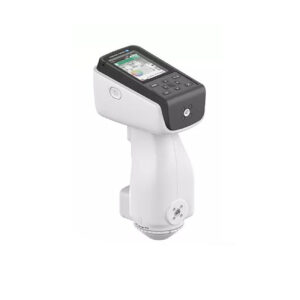
Konica Minolta CM-16D Spectrophotometer
Contact
SKU: CM-16d
Warranty: 12 Months
Origin: Japan




Product Details
Introduction to KONICA MINOLTA CM-16d Spectrophotometer
The KONICA MINOLTA CM-16d Spectrophotometer is a renowned color measurement instrument developed by Konica Minolta, a leading Japanese manufacturer. This color analyzer is widely utilized across a diverse range of industries.
Applications include plastics color measurement, powder color analysis, pellet/granule color testing, and quality control for injection-molded household products. Additionally, the device can measure the color of paints, coatings, iron, steel, and other metallic surfaces. It is also highly effective for evaluating textiles, apparel, and footwear, among other materials.
Why Use the KONICA MINOLTA CM-16d Spectrophotometer?
The Konica Minolta CM-16d spectrophotometer is an indispensable instrument for color inspection and evaluation. The traditional method of color comparison involves human visual inspection under a specific light source or environment to assess color deviations. However, this traditional method is purely subjective, as human visual acuity and color sensitivity vary from person to person, leading to inconsistent color evaluations.
To eliminate these subjective discrepancies and standardize color assessment, the KONICA MINOLTA CM-16d was developed. This colorimeter effectively resolves color variation disputes among production stages. By delivering stable, highly repeatable measurements with minimal color standard error, it significantly upgrades color management workflows and minimizes operational costs in quality control.
Key Features of the KONICA MINOLTA CM-16d Spectrophotometer
The KONICA MINOLTA CM-16d spectrophotometer features an integrated color display screen, allowing users to read measured values clearly and easily. Measurement results can be displayed simultaneously under two different conditions or two distinct illuminants, enabling operators to analyze color metrics across various standard light sources.
The instrument can store up to 1,000 target colors (standards) and 5,000 sample records. Users can seamlessly save master targets and assign custom names. When performing color comparisons, simply select the desired master target and switch to the comparative measurement mode; the device automatically calculates color differences and displays the data instantly on the screen.
Each target color can be configured with its own specific tolerance thresholds. If users handle multiple master targets, they can assign customized tolerance values to each individual profile. During inspection, the operator selects the corresponding target, and the instrument automatically evaluates the comparative results against the preset tolerances to output a definitive Pass/Fail judgment for the product.
The KONICA MINOLTA CM-16d supports dual measurement modes: SCI (Specular Component Included) and SCE (Specular Component Excluded). Since industrial samples can exhibit a wide range of surface finishes—from high-gloss coatings to low-gloss matte surfaces—users can select the optical methodology that best matches the specific physical characteristics of the sample.
The KONICA MINOLTA CM-16d offers faster measurement speeds, superior accuracy, and significantly enhanced instrument repeatability.
Crucially, this device features an automatic wavelength calibration function. Since prolonged usage can cause standard colorimeters to suffer from internal drift, this self-calibration technology ensures that the instrument consistently delivers accurate and reliable measurement data over time.
Additionally, users can opt for an optional Bluetooth connectivity module. This wireless feature is highly advantageous when measuring in tight or challenging environments where physical connection is impractical and fast data rendering is essential.
For advanced data management, the KONICA MINOLTA CM-16d can be paired with optional PC software. Connecting the spectrophotometer to a computer allows all measurement results to be stored and processed systematically, streamlining quality data traceability.
Technical Specifications of KONICA MINOLTA CM-16d
Illumination/viewing system: di:8°, de:8° (diffuse illumination: 8° viewing angle), switchable SCI (Specular Component Included) / SCE (Specular Component Excluded)
Integrating sphere size: Ø40 mm diameter
Detector: Dual 32-element silicon photodiode array
Spectral separation device: Planar diffraction grating
Wavelength range: 400 nm to 700 nm
Wavelength pitch: 10 nm
Half bandwidth: Approx. 10 nm
Reflectance range: 0 to 175%; Display resolution: 0.01%
Light source: Pulsed Xenon lamp (with UV cut filter)
Measurement time: Approx. 0.7 seconds (measurement mode: SCI or SCE, from trigger activation to measurement completion)
Minimum measurement interval: Approx. 1.5 seconds (measurement mode: SCI or SCE)
Battery performance: Approx. 2,000 measurements (approx. 1,000 measurements when utilizing the optional WLAN/Bluetooth module) at 10-second intervals at 23°C with the dedicated lithium-ion battery, camera viewfinder disabled
Measurement/illumination area: MAV: Ø8 mm / Ø11 mm
(Changeable by replacing target mask and adjusting lens position)
Repeatability: Standard deviation within ΔE*ab 0.04
(When the white calibration plate is measured 30 times at 5-second intervals after white calibration under Konica Minolta standard conditions)
Inter-instrument agreement: Within ΔE*ab 0.2
(Based on the average of 12 BCRA Series II color tiles; MAV SCI; compared to values measured with the master body under Konica Minolta standard conditions)
Display: 2.7-inch color TFT display with auto-rotation function
Internal performance check*1: WAA (Wavelength Analysis & Adjustment) technology
Interface: USB 2.0; WLAN (IEEE 802.11 b/g/n) / Bluetooth (Ver.4.1, SPP compatible) Requires optional WLAN/Bluetooth module*2 *3
Camera viewfinder function: –
Observer conditions: CIE 2° Standard Observer, CIE 10° Standard Observer
Illuminants: A, C, D50, D65, F2, F6, F7, F8, F10, F11, F12, ID50, ID65, LED-B1, LED-B2, LED-B3, LED-B4, LED-B5, LED-BH1, LED-RGB1, LED-V1, LED-V2, User-defined illuminant*4 (Up to 3 illuminants) (Simultaneous evaluation with two illuminants is possible)
Display items: Colorimetric values/graphs, color-difference values/graphs, spectral graphs, PASS/FAIL judgment, pseudo-color display
Color spaces: Lab*, LCh, Hunter Lab, Yxy, XYZ, and color differences in these spaces; Munsell (C)
Indices: MI, WI (ASTM E313-73/ASTM E313-98); YI (ASTM E313-73, ASTM D1925); ISO Brightness (ISO2470); WI/Tint (CIE); Tristimulus Strength; Opacity; Gray Scale (ISO 105-A05); Gloss Value; User Index*5, Jetness (My) (ISO18314-3/DIN55979); Jetness (Mc) (ISO18314-3); Undertone (dM) (ISO18314-3)
Color difference equations: ΔEab (CIE1976); ΔE94 (CIE1994); ΔE00 (CIEDE2000); CMC (l:c); Hunter ΔE; DIN99o; FMC-2; ΔE*94 (Special)*6
Data memory capacity: 1,000 target data sets + 5,000 sample data sets
Power supply:
AC Power: USB Type-C AC Adapter (Supports Power Delivery, 15 W or higher)
Battery: Lithium-ion battery (removable)
USB Charging: Power supplied via USB port (with lithium-ion battery installed)
Charging time: Approx. 3.5 hours (fast charging) / Approx. 6 hours (standard charging)
Dimensions: Approx. 79 (W) × 230 (H) × 128 (D) mm
Weight: Approx. 660 g (including lithium-ion battery)
Operating temperature/humidity range: Temperature: 5 to 40°C; Relative humidity: 80% or less (at 35°C) non-condensing
Storage temperature/humidity range: Temperature: 0 to 45°C; Relative humidity: 80% or less (at 35°C) non-condensing
Reviews (0)
No comments yet
Related products


- SKU: CM-3700A Plus
- Origin: Japan
- Warranty: 12 Months

- SKU: NR60CP+
- Origin: China
- Warranty: 12 Months


Bạn vui lòng nhập đúng số điện thoại để chúng tôi sẽ gọi xác nhận đơn hàng trước khi giao hàng. Xin cảm ơn!
There are no reviews yet.